


Será que os compradores deveriam simplesmente usar uma fechadura mais potente?
Não automaticamente. Um fecho mais robusto pode ajudar em alguns casos, mas também pode mascarar problemas na estrutura, na trava ou na vedação, além de criar problemas de usabilidade se a causa principal estiver em outro lugar.
Conclusão
As novas portas corta-fogo não fecham corretamente após a instalação porque a abertura está desequilibrada, e não simplesmente porque o fecho automático existe ou não. A solução mais eficaz geralmente é aquela que restaura o equilíbrio entre a força e a resistência ao fechamento em toda a extensão da porta. Os compradores que tratam a falha no fechamento automático como um problema de abertura total geralmente resolvem a questão de forma mais rápida e confiável do que as equipes que apenas substituem as peças sem fazer um diagnóstico preciso.
Precisa de ajuda para diagnosticar por que as novas portas corta-fogo não estão fechando corretamente após a instalação?
Se você está lidando com problemas de fechamento automático de portas corta-fogo em apartamentos, hotéis, hospitais, escolas, escritórios ou edifícios industriais, nossa equipe pode ajudá-lo a comparar opções de portas, revisar a lógica de instalação e reduzir o risco de retrabalho antes que o problema se espalhe por todo o projeto.
Contate-nos
Solicite um orçamento
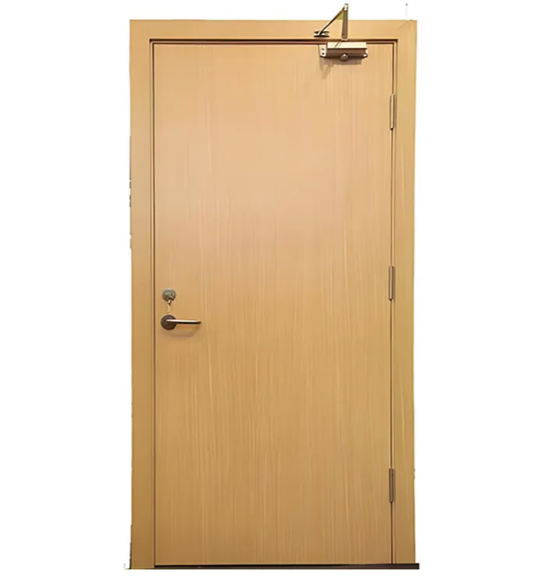
| Páginas relacionadas à porta corta-fogo Zhongte | Este artigo agora direciona o leitor para as páginas de produtos da Zhongte, casos de aplicação, capacidade da fábrica e informações sobre testes. Esses links internos ajudam os compradores de projetos a transitar de um problema técnico para a categoria de porta corta-fogo adequada sem sair do site. | Produtos para portas corta-fogo |
|---|---|---|
| Produtos para janelas à prova de fogo | Produtos de portas à prova de fogo de grandes dimensões | Outros acessórios |
| Porta corta-fogo de aço e madeira de folha única | Porta corta-fogo de aço de folha dupla | Porta corta-fogo de aço e madeira com janela |
| Porta de madeira para lareira com folhas duplas desiguais | Porta de enrolar inorgânica à prova de fogo | Porta dobrável de aço de grandes dimensões |
| Casos de aplicação de portas corta-fogo | Estudos de Caso em Engenharia | Capacidade de fábrica |
Centro de Testes de Produtos
Lista de verificação para compradores de projetos
Para um projeto de porta corta-fogo, os compradores devem confirmar o tipo de parede, tamanho da abertura, profundidade da moldura, classificação de resistência ao fogo, espessura da folha da porta, conjunto de ferragens, força de fechamento, requisitos do visor, controle de etiquetas, sequência de entrega e condições de armazenamento no local antes de fazer o pedido. Esses detalhes afetam a qualidade da instalação e os resultados da inspeção final. Uma lista de verificação clara também ajuda os visitantes do site a entenderem que a Zhongte pode oferecer suporte à coordenação real do projeto, e não apenas fornecer a folha da porta.
In practical project work, the self-closing problem often begins when installation tolerances and comfort adjustments are allowed to take priority over complete doorset behavior.
Why A New Fire Door Can “Almost Work” And Still Be Wrong
This is one of the most misleading fire door problems in construction projects. A door that almost closes is often treated as basically acceptable. But “almost” is not enough for a fire door opening that is expected to close and latch reliably. If the door only works from some angles, only after a firm push, or only when the closer is turned up too aggressively, the opening is already telling the project that something in the system is out of balance.
In fire door installation, near-success often hides a real defect rather than proving the opening is acceptable.
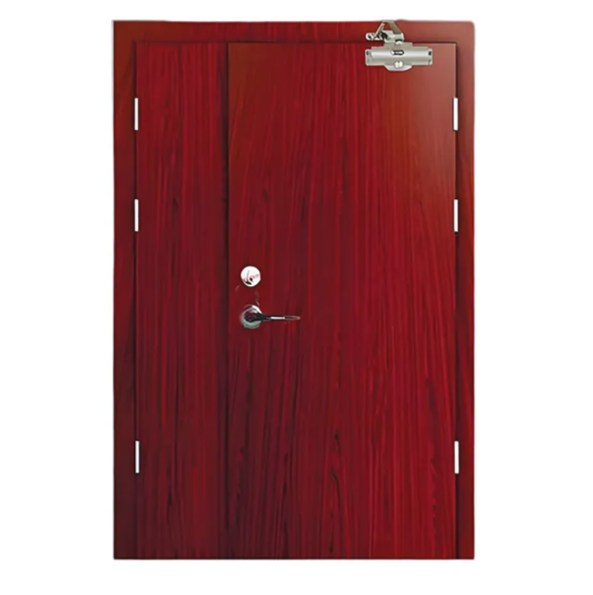
3. The Smartest Buyers Diagnose Self-Closing Failure As A System Problem, Not A Closer Problem
The strongest project teams do not jump straight to replacing the closer. They first ask where the closing energy is being lost or resisted. Does the leaf move freely on the hinges? Does it bind on the frame or floor? Are the gaps reasonable? Do the seals compress too early? Does the latch line up naturally with the strike? Has the closer been mounted and adjusted correctly? Only after those questions are answered does the closer choice itself become clear.
This system-based approach usually solves the problem faster and more reliably. In some openings, the closer really is too weak. In others, a stronger closer would only hide a frame, seal, or latch issue while making the door harder to use. The right solution is the one that restores balanced self-closing behavior without creating new usability or maintenance problems later.
In practical procurement and installation review, self-closing failure should be treated as an opening diagnosis exercise rather than a quick hardware swap.
Buyer Checklist
Why Better Installation Teams Usually Catch This Earlier
The best installation teams usually catch self-closing problems earlier because they test the opening more realistically and treat “almost closing” as a warning sign rather than as a pass. They understand that a fire door should not need help to finish the closing cycle. That mindset usually leads to better diagnosis, fewer callbacks, and a stronger final opening.
In new fire door installation, earlier system diagnosis usually costs less than later remedial work.
Frequently Asked Questions
Conclusion
New fire doors do not self-close properly after installation because the opening is out of balance, not simply because the closer exists or does not exist. The strongest fix is usually the one that restores balance between closing force and closing resistance across the whole doorset. Buyers who treat self-closing failure as a full opening problem usually solve it faster and more reliably than teams who only replace hardware without diagnosis.
Need Help Diagnosing Why New Fire Doors Are Not Self-Closing Properly After Installation?
If you are dealing with new fire door self-closing problems in apartments, hotels, hospitals, schools, offices, or industrial buildings, our team can help you compare doorset options, review the installation logic, and reduce callback risk before the problem spreads across the project.
Contact Us Get QuoteRelated Zhongte Fire Door Pages
This article now connects the reader to Zhongte product pages, application cases, factory capability, and testing information. These internal links help project buyers continue from a technical problem to a suitable fire door product category without leaving the website.
- Fire Rated Door Products
- Fireproof Window Products
- Oversized Fireproof Door Products
- Other Accessories
- Single Leaf Steel Wood Fire Door
- Double Leaf Steel Wood Fire Door
- Steel Wood Fire Rated Door With Window
- Unequal Double Leaf Wooden Fire Door
- Inorganic Fireproof Roller Shutter Door
- Large Sized Steel Folding Door
- Fire Door Application Cases
- Engineering Case Studies
- Factory Capability
- Product Testing Center
Project Buyer Checklist
For a fire door project, buyers should confirm the wall type, opening size, frame depth, fire rating, leaf thickness, hardware set, closer force, vision panel requirements, label control, delivery sequence, and site storage conditions before ordering. These details affect installation quality and final inspection results. A clear checklist also helps search visitors understand that Zhongte can support real project coordination rather than only supplying a door leaf.
